
.png)
Why Regular Sewer Line Inspections Are Crucial for Homeowners
- Nov 22, 2025
- 4 min read
Your sewer line is one of the most critical components of your home’s plumbing system. Unlike visible pipes in kitchens and bathrooms, sewer lines run underground and are mostly hidden from view. Because of this, problems can develop silently, often going unnoticed until they become serious, expensive emergencies.
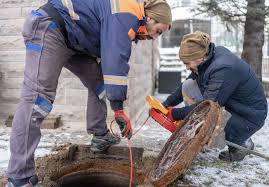
Regular sewer line inspections are essential for preventing major issues like backups, leaks, and costly property damage. They help homeowners detect problems early, extend the lifespan of their plumbing system, and maintain the value of their home.
This guide will explore why sewer line inspections are vital, what signs indicate a potential problem, and how professional inspection services work to protect your home.
Why Sewer Line Problems Are Serious
Sewer line problems can lead to multiple issues, including:
Foul odors in and around the home
Water pooling in the yard or basement
Slow drains or multiple backups
Property damage and mold growth
Contamination of water supply
Ignoring small problems in a sewer line can quickly escalate, leading to major expenses and extensive cleanup.
Common Causes of Sewer Line Damage
Sewer lines face stress from several sources:
1. Tree Root Intrusion
Tree roots naturally seek water. They can penetrate sewer lines through small cracks or joints, causing blockages and structural damage.
2. Corrosion or Aging Pipes
Older homes often have pipes made of clay, cast iron, or galvanized steel. Over time, these materials corrode or crack, weakening the line.
3. Blockages and Build-Up
Grease, hair, soap scum, and foreign objects can accumulate inside the sewer line, causing slow drainage and potential backups.
4. Shifting Soil or Ground Movement
Soil settling, heavy rain, or nearby construction can cause sewer pipes to crack, misalign, or collapse.
5. Physical Damage
Accidental digging, construction, or heavy equipment can damage underground sewer lines.
Signs You Need a Sewer Line Inspection
Homeowners should watch for warning signs that indicate potential sewer line problems:
Multiple slow drains at the same time (sinks, tubs, toilets)
Foul odors inside or outside the home
Water pooling in your yard near the sewer line
Gurgling sounds from drains or toilets
Unexplained increases in water bills
Sewage backup in the basement or low-lying areas
If you notice any of these signs, it’s time to schedule a professional inspection immediately.
Benefits of Regular Sewer Line Inspections
1. Early Detection of Problems
Professional inspections can detect minor cracks, root intrusion, or blockages before they become major emergencies. Early detection prevents costly repairs and property damage.
2. Extend the Lifespan of Your Sewer System
Regular maintenance and inspections help identify issues that, if left untreated, could shorten the lifespan of your sewer line. Proactive care keeps your plumbing system working efficiently for years.
3. Prevent Health Hazards
Sewage leaks can introduce harmful bacteria, mold, and other contaminants into your home or yard. Detecting problems early helps protect your family’s health.
4. Reduce Emergency Plumbing Costs
Emergency sewer line repairs are often much more expensive than routine inspections and preventative maintenance. Inspections save money in the long run.
5. Peace of Mind
Knowing your sewer line is in good condition gives you confidence that your home is safe and protected from costly plumbing emergencies.
How Professional Sewer Line Inspections Work
Professional plumbing companies use advanced tools and techniques to inspect sewer lines thoroughly.
1. Camera Inspection
A high-resolution video camera is inserted into the sewer line to inspect for cracks, blockages, root intrusion, corrosion, and other damage. This provides a detailed view without digging up your yard.
2. Locating Problem Areas
Inspectors can pinpoint the exact location of damage or potential issues, allowing for targeted repairs rather than unnecessary excavation.
3. Recommendations for Repairs or Maintenance
Based on the inspection, plumbers provide recommendations for cleaning, repairs, or pipe replacement if needed.
4. Documentation
Many companies provide video documentation of the inspection so you have a clear record of the sewer line’s condition.
Preventative Measures Between Inspections
While inspections are essential, homeowners can also take preventative measures to reduce the risk of sewer line problems:
Avoid flushing non-degradable items (wipes, paper towels, feminine products)
Keep grease and oil out of kitchen drains
Use strainers to catch hair and debris
Limit planting trees near sewer lines
Schedule routine professional cleanings
These steps complement inspections and help maintain a healthy sewer system.
How Often Should Homeowners Inspect Sewer Lines?
Most experts recommend a camera inspection every 3–5 years for older homes or homes with trees near sewer lines. For newer homes, inspections every 5–7 years are usually sufficient unless signs of problems appear sooner.
Homes with frequent clogs, foul odors, or slow drains may need inspections more frequently.
Final Thoughts
Your sewer line is one of the most critical—but often overlooked—parts of your plumbing system. Regular inspections help detect problems early, prevent emergencies, save money on costly repairs, and protect your home from damage and health hazards.
Proactive homeowners benefit from peace of mind knowing that their sewer system is functioning efficiently and reliably. Scheduling routine inspections and maintaining your plumbing system is one of the smartest investments you can make for long-term home protection.


